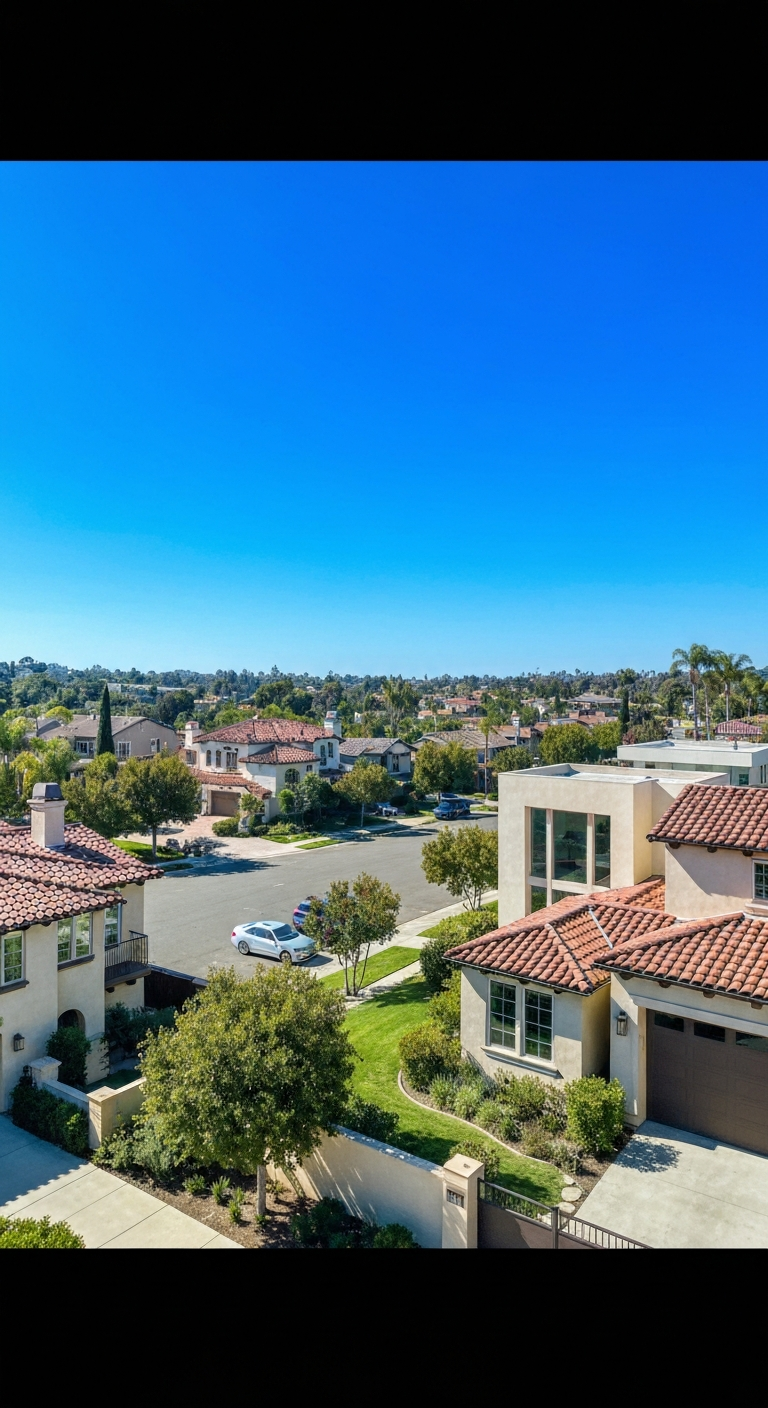
Understanding the True Cost of Homeownership: Beyond the Mortgage Payment
One of the most common mistakes first-time homebuyers make is calculating their affordability based solely on the principal and interest of their mortgage payment. While the mortgage is certainly the largest piece of the pie, it is far from the only cost associated with owning a home. Failing to account for the "hidden" or ongoing costs of homeownership can lead to financial stress and "house poor" syndrome, where all your income is tied up in your property. At FIG Homes & Loans, we believe in radical transparency. We want our clients to be financially comfortable long after the closing paperwork is signed. In this guide, we break down the true, comprehensive cost of homeownership in Southern California so you can budget accurately and buy with confidence.
Section 1: The PITI Payment (Principal, Interest, Taxes, and Insurance)
When lenders calculate your debt-to-income ratio, they look at your full PITI payment. This is the baseline of your housing cost.
Principal and Interest: This is the amount that actually goes toward paying off your loan balance and the cost of borrowing the money. It is determined by your loan amount, interest rate, and loan term (e.g., 30 years).
Property Taxes: In California, Proposition 13 limits general property taxes to 1% of the assessed value (usually the purchase price), plus any local voter-approved bonds. A safe estimate is usually around 1.1% to 1.25% of the purchase price annually. If you buy a $700,000 home, expect to pay around $8,400 a year (or $700 a month) in property taxes.
Homeowners Insurance: This protects your property against fire, theft, and liability. In California, particularly in areas prone to wildfires, insurance costs have risen significantly in recent years. You must budget carefully for this, as it can range from $100 to over $300 a month depending on the property's location and risk profile.
Section 2: Mortgage Insurance (PMI or MIP)
If you put less than 20% down on a conventional loan, you will be required to pay Private Mortgage Insurance (PMI). If you use an FHA loan, you will pay a Mortgage Insurance Premium (MIP) regardless of your down payment size.
Mortgage insurance protects the lender in case you default on the loan. It does not protect you. Depending on your credit score and down payment, PMI can add anywhere from $50 to $300+ to your monthly payment. Fortunately, with conventional loans, PMI can be removed once you build enough equity in the home.
Section 3: HOAs and Mello-Roos
If you buy a condo, a townhome, or a house in a newer master-planned community, you will likely have additional monthly or annual fees.
Homeowner Association (HOA) Dues: These cover the maintenance of common areas, community amenities (pools, parks), and sometimes exterior building maintenance or utilities. HOA dues can range from $100 a month to over $600 a month in luxury or high-maintenance buildings. Crucially, HOA dues tend to increase over time as maintenance costs rise.
Mello-Roos: As discussed in our master-planned community guide, Mello-Roos are special tax assessments used to fund local infrastructure. They are billed alongside your regular property taxes and can add several hundred dollars a month to your expenses.
Section 4: Maintenance and Repairs (The 1% Rule)
When you rent, a leaky roof or a broken water heater is the landlord's problem. When you own, it's your problem, and it's your wallet.
A common rule of thumb is to budget 1% to 2% of your home's value every year for maintenance and repairs. For a $700,000 home, that's $7,000 to $14,000 a year. You might not spend that much in a good year, but you need to save it for the bad years when the HVAC system fails or the roof needs replacing.
Routine Maintenance: This includes landscaping, pest control, HVAC servicing, gutter cleaning, and minor cosmetic touch-ups.
Capital Expenditures (CapEx): These are the big-ticket items that eventually wear out: roofs, water heaters, kitchen appliances, and exterior paint. You need a dedicated emergency fund specifically for the house to handle these inevitable expenses.
Section 5: Utilities and Commuting
Moving from a 1,000-square-foot apartment to a 2,500-square-foot house will significantly impact your utility bills. Heating and cooling a larger space costs more. You may also be paying for water, trash, and sewer services that were previously included in your rent.
Additionally, if you are moving further out to the suburbs (like moving from Los Angeles to the Inland Empire) to find a more affordable home, you must factor in the increased cost of commuting—gas, vehicle wear and tear, and tolls.
Section 6: Budgeting for Success
Understanding these costs isn't meant to scare you away from homeownership; it's meant to empower you. Real estate remains one of the best ways to build long-term wealth, but it requires financial discipline.
Before you start shopping, sit down with the experts at FIG Homes & Loans. We will run comprehensive scenarios that include all estimated taxes, insurance, HOA fees, and maintenance costs, ensuring you are looking at homes that fit your true, holistic budget.
About Us at FIG Homes & Loans
We at FIG Homes & Loans (formerly FIG Mortgages) are a premier, veteran owned real estate brokerage and mortgage lender operating across all 50 states. We specialize in unifying the home buying, selling, and financing journey under one roof. Whether you are navigating the luxury market, seeking commercial real estate, or require tailored lending solutions like VA, FHA, Jumbo, Non-QM, and Bank Statement loans, our team delivers unbeatable wholesale rates and exclusive access to top tier properties. Experience the seamless advantage of having your real estate agent and mortgage broker working in perfect harmony.
Helpful Resources & Next Steps

Frequently Asked Questions
Related Articles
Mortgage Rates Near 11 Month Lows—What's Next With the Fed?
Mortgage rates have dropped to their lowest levels in nearly a year. Discover what is driving this downward trend, how the Federal Reserve's upcoming decisions could impact the market, and why now might be the perfect time to lock in your rate.
The Great Wealth Transfer: Navigating Prop 19 and Inherited Real Estate in California
Inheriting a home in California? Learn how Proposition 19 impacts your property taxes, the rules for keeping your parents' low tax base, and the massive benefits of the 'step-up in basis' when selling.

House Hacking in Southern California: How to Let Your Tenants Pay Your Mortgage
Discover how to use FHA and VA loans to buy a duplex, triplex, or a home with an ADU. Learn the financial mechanics of house hacking to drastically reduce your living expenses and build wealth.
Ready to Buy, Sell,
or Refinance?
From home search to closing — one team, one mission, all of California.
Direct Contact
Phone
(760) 576-2853Address
41593 Winchester Rd Ste 200
Temecula, CA 92590
Business Hours
Monday - Friday: 9:00 AM - 6:00 PM PT
Saturday by appointment | Sunday closed