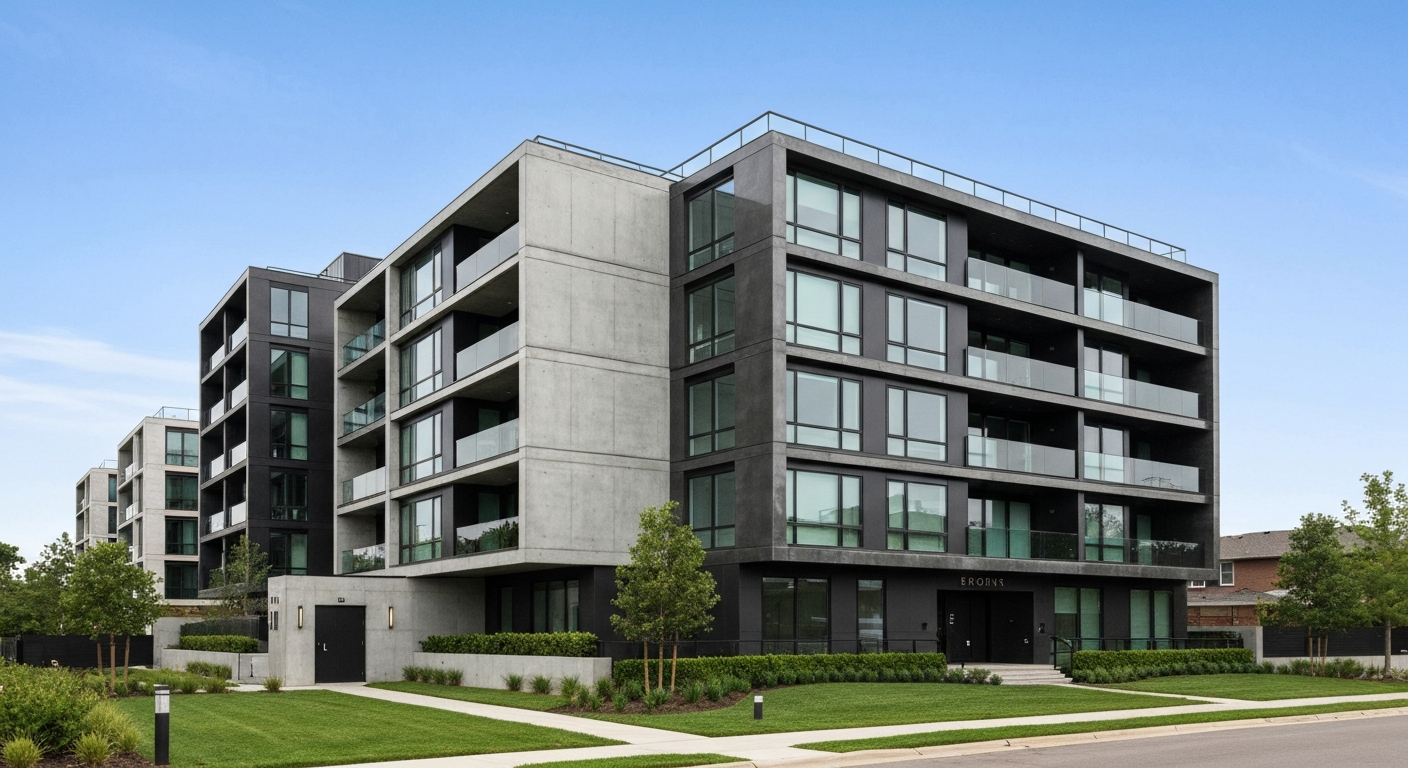
The Rise of DSCR Loans in California: How Investors are Scaling Their Portfolios in 2026
For real estate investors in California, 2026 presents a unique set of challenges and opportunities. High property values and fluctuating interest rates have compressed traditional capitalization (cap) rates, making it increasingly difficult to cash flow properties using conventional financing. Furthermore, investors looking to scale their portfolios often hit a wall when relying on traditional mortgages, as strict Debt-to-Income (DTI) requirements and limits on the number of financed properties can halt growth in its tracks. Enter the Debt Service Coverage Ratio (DSCR) loan. This innovative financing product has surged in popularity, becoming the go-to tool for savvy investors looking to acquire, refinance, and scale their rental portfolios in the Golden State. In this comprehensive guide, we will explore exactly how DSCR loans work, why they are perfectly suited for the California market, and how you can leverage them to achieve your investment goals.
Section 1: What is a DSCR Loan?
A Debt Service Coverage Ratio (DSCR) loan is a type of non-QM (Non-Qualified Mortgage) loan designed specifically for real estate investors. Unlike a conventional mortgage, which qualifies you based on your personal income, tax returns, and W-2s, a DSCR loan qualifies the loan based on the cash flow of the property itself. In essence, the lender is looking at whether the property generates enough rental income to cover the mortgage payment and associated expenses.
The core metric used in this evaluation is the DSCR. It is calculated by dividing the property's gross rental income by its annual debt service (which includes principal, interest, taxes, insurance, and HOA fees, commonly referred to as PITIA). For example, if a property generates $3,000 in monthly rental income and the monthly PITIA is $2,500, the DSCR is 1.2 ($3,000 / $2,500 = 1.2). A DSCR of 1.0 means the property exactly breaks even. A ratio above 1.0 indicates positive cash flow, while a ratio below 1.0 indicates negative cash flow.
Most lenders require a minimum DSCR of 1.0 to 1.25 for approval. However, the beauty of the DSCR loan market is its flexibility. Some specialized lenders will approve loans with a DSCR below 1.0 (sometimes down to 0.75 or even 0), provided the borrower has a strong credit score and significant cash reserves to cover any potential shortfalls. This flexibility is crucial in high-appreciation markets like California, where investors may be willing to accept lower initial cash flow in exchange for long-term equity growth.
Section 2: The Advantages of DSCR Loans for California Investors
The surge in DSCR loan popularity is driven by several distinct advantages that directly address the pain points of traditional investor financing.
1. No Personal Income Verification Required: This is arguably the most significant benefit. Traditional lenders require exhaustive documentation of your personal income, including years of tax returns, W-2s, and pay stubs. For self-employed investors, freelancers, or those who write off significant business expenses, proving sufficient income to meet traditional DTI limits can be nearly impossible. DSCR loans eliminate this hurdle entirely. The lender does not look at your personal income; they only look at the property's income potential.
2. Unlimited Scalability: Conventional financing typically limits you to a maximum of 10 financed properties. Once you hit that cap, traditional lenders will no longer work with you, regardless of your financial strength. DSCR loans, however, have no such limits. Because the loan is underwritten based on the individual property's performance, you can use DSCR loans to acquire an unlimited number of properties, allowing you to scale your portfolio as rapidly as you desire.
3. Faster and Streamlined Closing Process: Because there is no need to underwrite your personal income, the processing time for a DSCR loan is often significantly faster than a conventional loan. The lender focuses primarily on the property appraisal and a rent schedule (which determines the projected rental income). This streamlined process allows you to close deals faster, making your offers more competitive in a hot market.
4. Flexibility for Various Property Types: DSCR loans can be used for a wide variety of investment properties, including single-family homes, 2-4 unit multi-family properties, condos, and townhomes. They are also increasingly popular for financing short-term rentals (STRs), such as those listed on Airbnb or VRBO. While some lenders require a history of STR income, others will use projected STR income provided by a specialized appraiser.
5. Closing in an LLC or Corporation: For asset protection and liability reasons, many serious investors prefer to hold their properties in a Limited Liability Company (LLC) or a corporation. Conventional lenders typically require the loan to be in the borrower's personal name. DSCR loans, however, are specifically designed for business purposes and can readily be closed in the name of an LLC or corporate entity.
Section 3: Navigating DSCR Loans in the California Market
While DSCR loans offer incredible advantages, applying them effectively in the California market requires strategic nuance. California's high property values mean that achieving a DSCR above 1.0 can be challenging, particularly if you are putting down the minimum required down payment (typically 20%).
In markets like Los Angeles, San Diego, or Orange County, where purchase prices are high relative to rents, investors often need to put down 25% or 30% to achieve a qualifying DSCR. Alternatively, investors are looking towards the Inland Empire—cities like Riverside, San Bernardino, and Menifee—where the purchase price-to-rent ratio is more favorable, making it easier to achieve positive cash flow with a lower down payment.
It's also important to understand the interest rate dynamic. Because DSCR loans are considered higher risk by lenders (since they don't verify personal income), the interest rates are typically 0.5% to 1.5% higher than conventional investment property rates. However, savvy investors view this slightly higher rate not as a penalty, but as the cost of access to capital that allows them to scale. The ability to acquire a property that appreciates in value and provides tax benefits often outweighs the higher interest cost.
Section 4: The DSCR Loan Process: What to Expect
The process of obtaining a DSCR loan is refreshingly straightforward compared to conventional financing. Here is a general overview of what you can expect:
Step 1: Prequalification and Property Identification. You will work with a mortgage broker (like our team at FIG Homes & Loans) to determine your purchasing power based on your credit score and available down payment funds. You will then identify a target property.
Step 2: The Appraisal and Rent Schedule. This is the most critical step in the DSCR process. The lender will order an appraisal to determine the property's market value. Simultaneously, they will order a "Rent Schedule" (Form 1007 for single-family or Form 1025 for multi-family). The appraiser will analyze comparable rental properties in the area to determine the fair market rent for your target property. This projected rent is the figure the lender will use to calculate your DSCR, regardless of whether the property is currently vacant or occupied.
Step 3: Underwriting and Approval. The underwriter will review the appraisal, the rent schedule, your credit report, and verify that you have sufficient funds for the down payment and required cash reserves (typically 3-6 months of PITIA payments). Because there is no personal income to verify, this stage is usually much faster than conventional underwriting.
Step 4: Closing. Once the loan is cleared to close, you will sign the final documents. If you are purchasing the property in an LLC, you will need to provide the necessary corporate documentation (Articles of Organization, Operating Agreement, etc.).
Section 5: Strategies for Maximizing DSCR Loan Success
To truly leverage the power of DSCR loans, consider the following strategies:
The BRRRR Strategy (Buy, Rehab, Rent, Refinance, Repeat): This is a classic real estate investment strategy that pairs perfectly with DSCR loans. An investor purchases a distressed property (often using hard money or a short-term fix-and-flip loan), renovates it to increase its value and rental potential, places a tenant, and then uses a DSCR cash-out refinance to pull their initial capital back out. Because the property is now renovated and generating higher rent, it easily meets the DSCR requirements. The investor then uses the cashed-out funds to repeat the process on the next property.
Targeting Multi-Family Properties: 2-4 unit properties often provide better cash flow metrics than single-family homes, making it easier to achieve a strong DSCR. Furthermore, the risk of vacancy is mitigated; if one unit is empty, the other units are still generating income to help cover the mortgage.
Optimizing for Short-Term Rentals: In popular tourist destinations like Temecula (Wine Country) or coastal San Diego, short-term rentals can generate significantly higher income than long-term leases. If you can find a DSCR lender that allows for projected STR income (often based on data from platforms like AirDNA), you can qualify for a larger loan or achieve a much stronger cash flow profile.
Section 6: Why Work with a Broker for DSCR Loans?
The DSCR loan market is highly fragmented. Unlike conventional loans, which are standardized by Fannie Mae and Freddie Mac, DSCR guidelines vary wildly from lender to lender. One lender might require a minimum DSCR of 1.2, while another might accept 0.75. One lender might allow projected Airbnb income, while another strictly requires long-term leases. One lender might allow you to close in an LLC that was formed yesterday, while another requires the LLC to be seasoned for six months.
Navigating this complex landscape requires a knowledgeable guide. As a mortgage brokerage, FIG Homes & Loans has access to over 220 wholesale lenders. We understand the specific nuances, overlays, and requirements of each lender's DSCR program. When you bring us a deal, we don't try to fit a square peg into a round hole; we shop the scenario across our network to find the specific lender whose guidelines align perfectly with your property and your investment strategy.
Conclusion: Unlocking Your Investment Potential
In the dynamic and competitive California real estate market, agility and access to capital are the keys to success. DSCR loans provide investors with a powerful, flexible tool to bypass the limitations of traditional financing, acquire income-producing assets, and rapidly scale their portfolios. By focusing on the property's performance rather than your personal tax returns, DSCR loans open doors that conventional lenders keep firmly shut.
Whether you are purchasing your first rental property in Riverside or refinancing a portfolio of short-term rentals in San Diego, the team at FIG Homes & Loans is here to help you navigate the DSCR landscape. We combine our deep understanding of the California real estate market with our extensive network of wholesale lenders to deliver financing solutions that drive your investment success.
About Us at FIG Homes & Loans
We at FIG Homes & Loans (formerly FIG Mortgages) are a premier, veteran owned real estate brokerage and mortgage lender operating across all 50 states. We specialize in unifying the home buying, selling, and financing journey under one roof. Whether you are navigating the luxury market, seeking commercial real estate, or require tailored lending solutions like VA, FHA, Jumbo, Non-QM, and Bank Statement loans, our team delivers unbeatable wholesale rates and exclusive access to top tier properties. Experience the seamless advantage of having your real estate agent and mortgage broker working in perfect harmony.
Ready to Scale Your Portfolio?
Contact FIG Homes & Loans today to discuss your investment strategy and explore how a DSCR loan can help you achieve your goals.
Helpful Resources & Next Steps

Frequently Asked Questions
Related Articles
Building a Rental Portfolio in Temecula: Why Do DSCR Loans Make Sense Here?
Temecula's strong tourism and growing population make it ideal for real estate investors. Discover how DSCR loans can help you scale quickly.

Building a Rental Portfolio in San Diego: Why Do DSCR Loans Make Sense Here?
San Diego's strong rental demand makes it a prime location for investors. Discover how DSCR loans facilitate rapid portfolio growth.

Building a Luxury Rental Portfolio in La Jolla: Why Do DSCR Loans Make Sense?
La Jolla is a premier destination for high-end vacation rentals and corporate housing. Learn how investors use DSCR loans to acquire luxury properties.
Ready to Buy, Sell,
or Refinance?
From home search to closing — one team, one mission, all of California.
Direct Contact
Phone
(760) 576-2853Address
41593 Winchester Rd Ste 200
Temecula, CA 92590
Business Hours
Monday - Friday: 9:00 AM - 6:00 PM PT
Saturday by appointment | Sunday closed